
GitHub Portfolio for Junior Developers in Sri Lanka
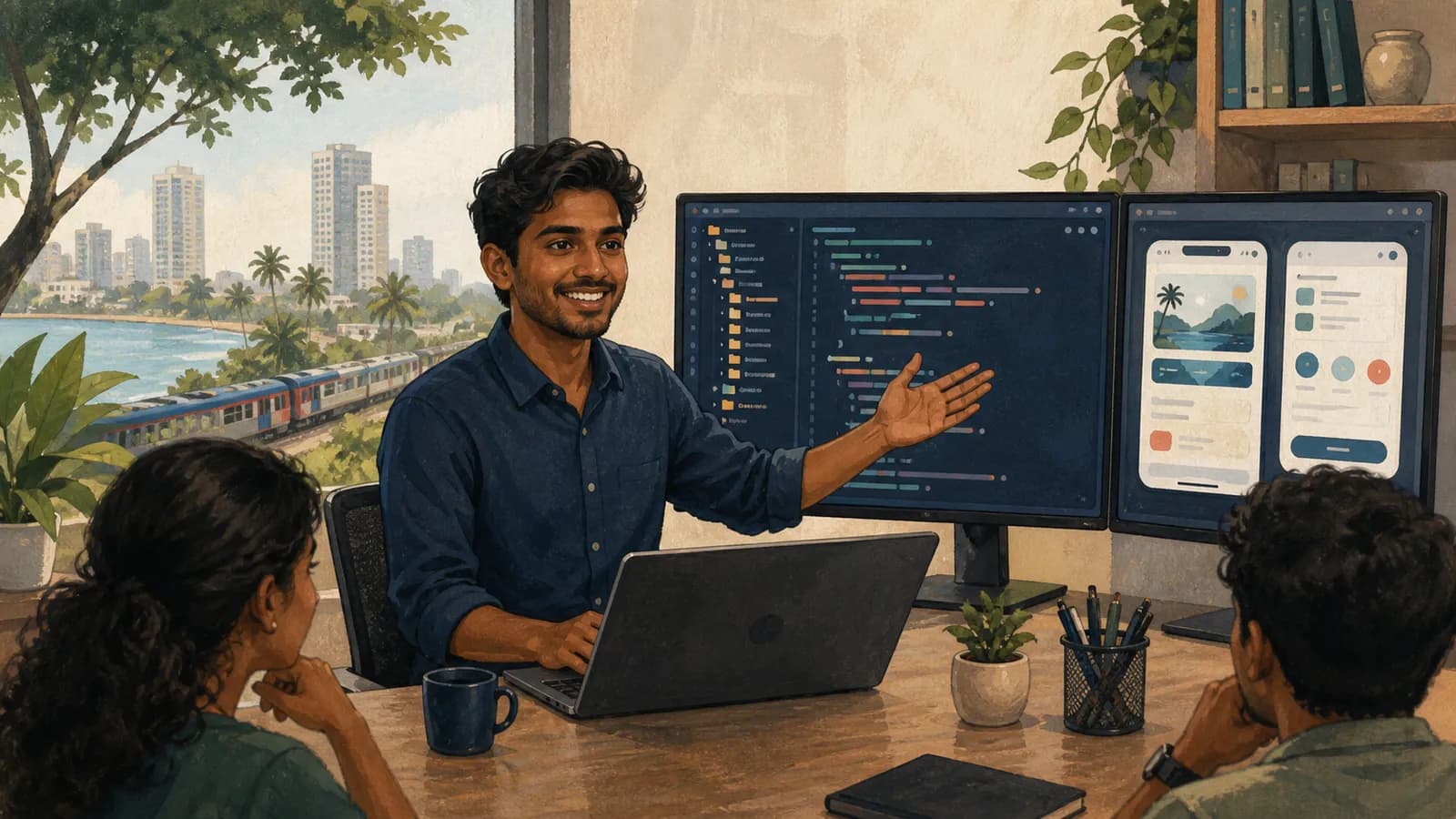
A GitHub portfolio for a junior developer in Sri Lanka should let someone understand and run a project without a long explanation from you. The strongest improvement is often better documentation and a reliable main feature, rather than another unfinished repository.
Use one small project to demonstrate how you think, test and communicate.
Choose a problem with clear boundaries
A fictional appointment-booking app is a manageable example. Define who uses it, what they can book and what the first version will exclude.
You might support selecting a service and an available time, then show a confirmation. Payments, staff scheduling and SMS reminders can remain outside the first version if you say so.
Write these boundaries before building. They help a reviewer understand whether the project achieved its stated goal.
Make the repository readable
GitHub's README guide explains how a README introduces a repository. Use yours to answer practical questions.
| README section | What to include |
|---|---|
| Purpose | The user problem and intended audience |
| Demo | A working link or short walkthrough |
| Setup | Tested installation and run instructions |
| Features | What currently works |
| Tests | How to check important behaviour |
| Limits | Known gaps and next decisions |
List required environment variables by name using example values. Never publish real API keys, credentials or customer records.
Test the setup instructions in a clean folder when practical. A missing step can make a good project appear broken.
Show decisions through the code
Choose readable names and keep responsibilities understandable. If one component handles the entire application, explain how you would divide it as the project grows.
Use meaningful commits that describe changes. A history of “update” messages gives a reviewer less context than commits explaining validation, error handling or a specific fix.
Do not create artificial activity just to fill a contribution chart. The repository should record useful work, not a performance of busyness.
Test the main risks
For the booking example, check missing fields, past dates and a time slot that becomes unavailable. Explain which cases are handled and which need a backend or concurrency control.
A browser-only demonstration should not claim to prevent real double bookings across users. State what the prototype can actually guarantee.
Include a small number of meaningful checks and show how to run them. Screenshots are helpful, but they are not a replacement for working behaviour.
Present a small selection
GitHub lets you feature repositories through profile pins. Choose the projects that best support your target role.
For each selected project, prepare a short interview explanation: the problem, one decision, one difficult bug and one improvement you would make. This makes the portfolio useful beyond the profile page.
If a tutorial inspired the work, credit it and explain your additions. The original exercise can still be valuable when your own contribution is visible.
Do you need many projects?
A few complete, understandable projects can communicate more than a long list of abandoned experiments. Build breadth after you can explain one project well.
Should every repository be public?
No. Keep private work private. Only publish material you have the right to share, and create a separate fictional demonstration when necessary.
What if the demo hosting stops working?
Update the link or provide a clear local setup and walkthrough. Do not leave a broken demo as the main entry point without explanation.
Related guides
- Software Engineer Interview Prep in Sri Lanka
- Git for Team Projects: A Sri Lanka Beginner Guide
- IT Internship Applications in Sri Lanka: A Practical Plan
Browse the Sri Lanka work and technology guides for more practical application, AI and workplace projects.
Related articles
About the author
App Dev Sri Lanka prepared this guide with AI assistance, original examples and the linked primary sources. The collection was informed by Google Trends research for Sri Lanka on 2 September 2026. Illustrations depict fictional people. Examples are educational; this article is not a live vacancy notice or an employer endorsement.
Learn more about App Dev Sri Lanka